
toughened glass 5mm price
Tinted glass has emerged as a critical material in modern architecture and design, offering both functional and aesthetic benefits. By manipulating light transmission and heat absorption, tinted glass provides innovative solutions for energy-efficient buildings, interior design, and automotive applications. This article explores the features, applications, technical specifications, and industry relevance of tinted glass, supported by authoritative insights from the National Institute of Standards and Technology (NIST). Key Features of Tinted Glass Heat Absorption and Solar Radiation Control Tinted glass is engineered to absorb solar radiation more effectively than clear float glass. According to clear float glass performance data, a 6mm-thick clear float glass allows 84% heat transmittance, while tinted glass reduces this to approximately 60%. The darker the tint, the lower the heat transmittance, making it ideal for regions with intense sunlight. This property not only enhances thermal comfort but also reduces the need for air conditioning, contributing to energy savings. Light Intensity Reduction In areas with high solar exposure, such as deserts or low-latitude regions, tinted glass effectively reduces light transmission, softening sunlight and preventing glare. This makes it a preferred choice for commercial and residential buildings where maintaining optimal indoor lighting is crucial. By transforming tinted glass into reflective glass , manufacturers enhance its energy-efficient capabilities, further improving its performance in controlling both light and heat. Applications of Tinted Glass Architectural Use Tinted glass is a cornerstone of modern architectural design, particularly in façades where visual appeal and functionality intersect. Its ability to reduce glare and manage solar heat makes it indispensable in office buildings, retail spaces, and residential complexes. By mitigating visual fatigue caused by excessive sunlight, tinted glass improves workplace efficiency and occupant comfort. Interior Design Beyond its functional benefits, tinted glass adds a touch of sophistication to interior spaces. It can be used in partitions, windows, and decorative elements to create a harmonious balance between aesthetics and practicality. The variety of colors available—ranging from golden bronze to dark green —allows designers to customize spaces according to specific visual preferences. Automotive Industry In automotive applications, tinted glass plays a vital role in enhancing driver safety. By blocking excessive sunlight, it reduces glare that could otherwise impair visibility and increase the risk of accidents. This feature is particularly valuable in vehicles operating in sunny climates or during peak daylight hours. Product Specifications Parameter Details Size (mm) 1650x2140, 1830x2440, 2140x3300, 2440x3300, or custom sizes Thickness 4mm, 5mm, 6mm, 8mm Colors Golden Bronze, Euro-Bronze, Dark Grey, Euro Grey, Black, F-Blue, Dark Green, F-Green, Ocean Blue, and more Applications Architecture, furniture, and interior decoration Advanced Manufacturing and Customization Manufacturers offer a range of processing options to tailor tinted glass to specific needs. These include cutting to size, tempering for durability, and laminating for enhanced safety. Such flexibility ensures that tinted glass can be adapted to diverse applications, from high-traffic commercial spaces to residential interiors. Industry Relevance and Sustainability The adoption of tinted glass aligns with global trends toward sustainable building practices. By reducing energy consumption through effective solar control, it contributes to lower carbon footprints. According to NIST research on energy-efficient materials , materials that optimize light and heat management are critical for achieving net-zero energy goals in modern construction. Company Background: SHAHE SHOTT GLASS Co., Ltd. As a leading manufacturer of specialty glass products, SHAHE SHOTT GLASS Co., Ltd. has established itself as a trusted provider of high-quality tinted glass solutions. With a commitment to innovation and customer-centric design, the company offers a wide range of products tailored to meet the evolving demands of the architectural and automotive industries. Their expertise in glass processing and customization ensures that clients receive optimal performance and aesthetic value. Conclusion Tinted glass represents a convergence of functionality and design, offering practical solutions for light and heat management in various environments. Its versatility, combined with advanced manufacturing techniques, makes it a preferred choice for architects, designers, and engineers. As the demand for energy-efficient materials continues to grow, tinted glass stands out as a sustainable and aesthetically pleasing option. For more information on products and services, visit tinted glass page. References NIST (National Institute of Standards and Technology) . (n.d.). https://www.nist.gov/ SHAHE SHOTT GLASS Co., Ltd. (n.d.). https://www.chinamirrorglass.com/
-
laminated glass bulletproof
laminated glass bulletproof
View Details -
back lighted mirror
back lighted mirror
View Details -

frosted glass wholesale
frosted glass wholesale
View Details -

oval lighted bathroom mirror
oval lighted bathroom mirror
View Details -

greenhouse glass panels for sale
greenhouse glass panels for sale
View Details
Our application
-
 read more
 -
 read more
 -
 read more
 -
 read more
 -
 read more
 -
 read more
news and information

Valvola a farfalla da 250 mm per applicazioni industriali e sistemi di controllo del flusso
Valvola a Farfalla da 250 mm Un Componente Essenziale per la Regolazione dei Fluidi La valvola a far
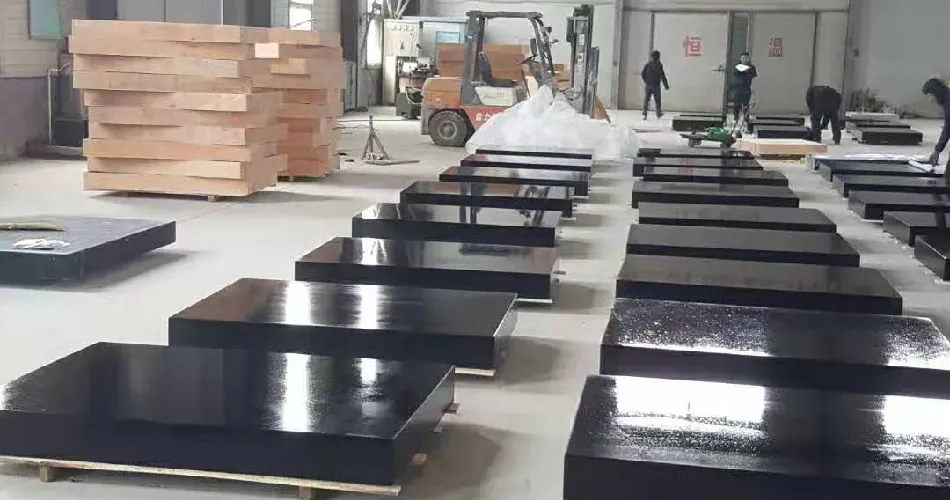
v block design
Exploring the V-Block Design A Revolutionary Approach in Architecture In the ever-evolving landscape
Wholesale Valve Selection_ How to Choose the Right Types of Water Valves for Commercial Plumbing
Water valves are essential components in plumbing and industrial systems, controlling the flow and p